Mixing
Mixing a trap beat from scratch
Mixing a beat is mostly deciding what's loud, what's quiet and what lives where. Plug-ins come second.
DarkPlugins2 min read
Levels first
Every track peaks around −10 to −6 dBFS, the mix bus no higher than −6 dBFS, nothing on the master. Build from the foundation: 808 and kick first, then snare or clap, hi-hats, and melody and effects last.
Kick and 808
- 808: the sub at 40–60 Hz plus harmonics above it.
- Kick: body at 60–100 Hz, click at 2–5 kHz.
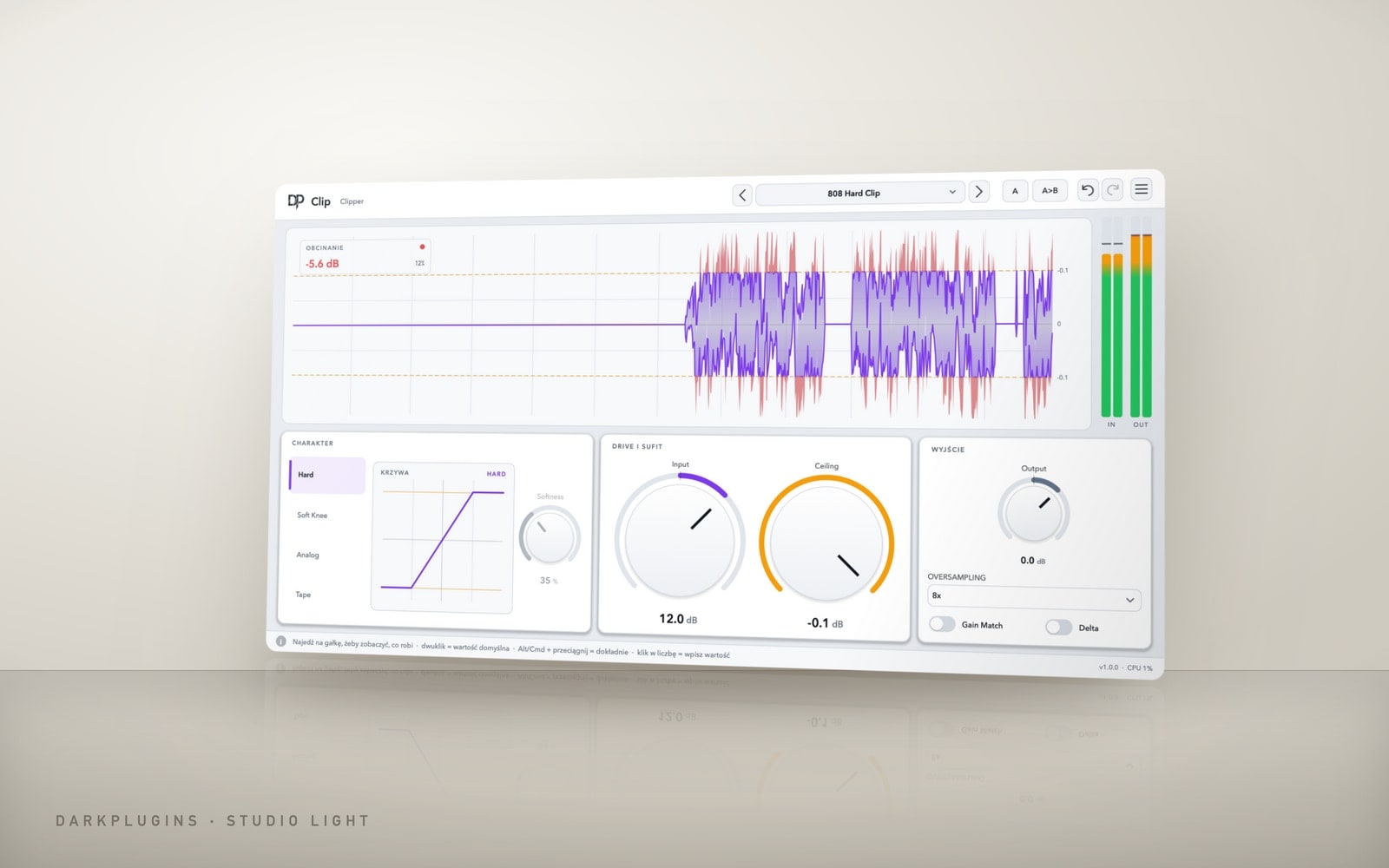
Sidechain the 808 from the kick by 2–4 dB with a 60–120 ms release, keep both in mono below about 120 Hz, and clip the 808 peaks by 2–3 dB. Clip does it cleanly, and Delta lets you hear exactly what you're cutting.
Snare and clap
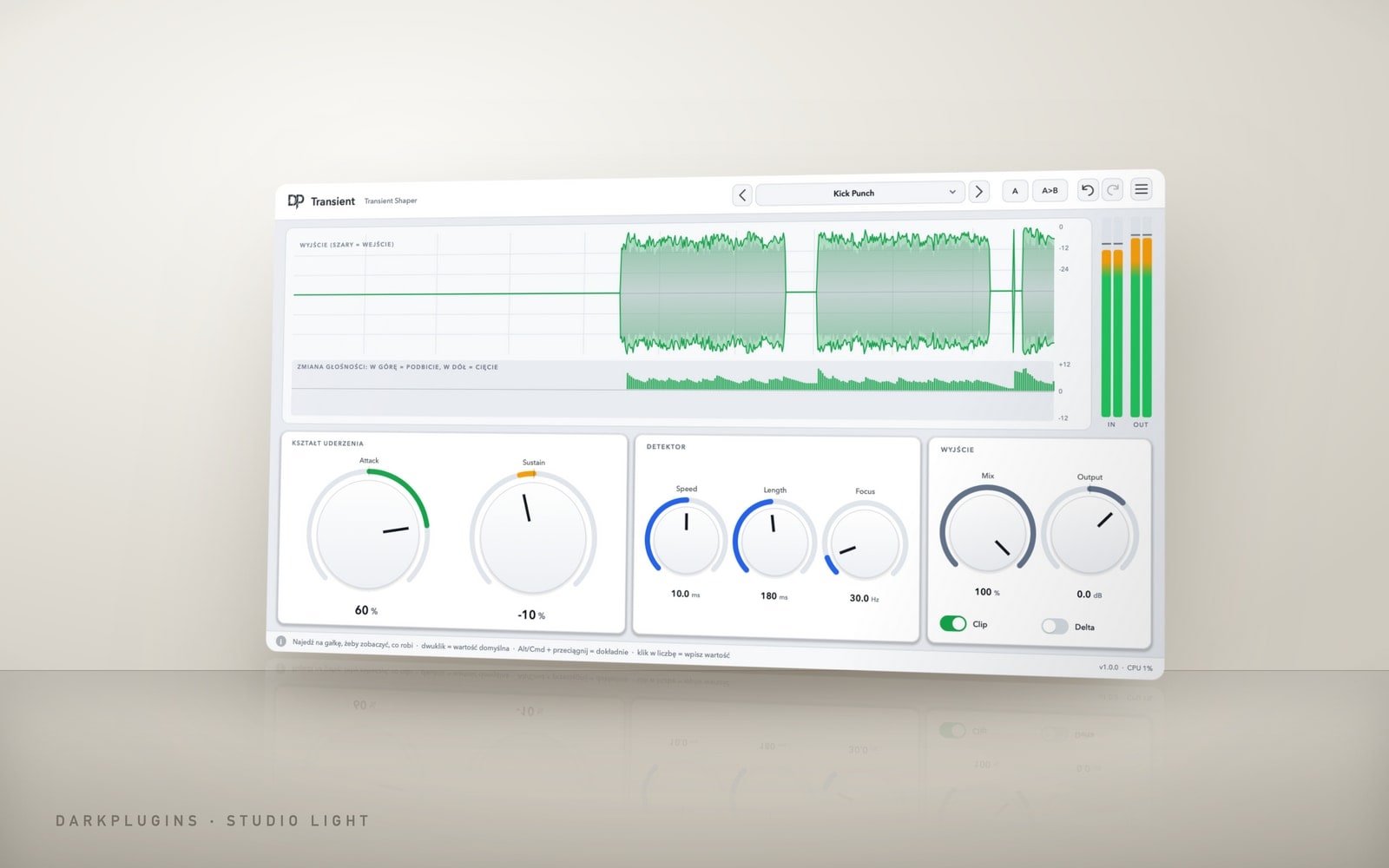
Body at 180–250 Hz, crack at 2–5 kHz. If the clap gets lost, add attack instead of level — Transient works without a threshold. A short 0.6–1 s room on a send glues it in.
Hi-hats
Usually too loud. Set them where you can barely hear the groove, then add 1–2 dB. Low cut from 300–500 Hz, rolls at lower velocity, percussion panned wider.
Melody
- Low cut the melody bus at 150–250 Hz.
- −2 to −3 dB at 300–500 Hz if it sounds boxy.
- Dip 1–2 dB around 2–4 kHz to make room for the vocal.
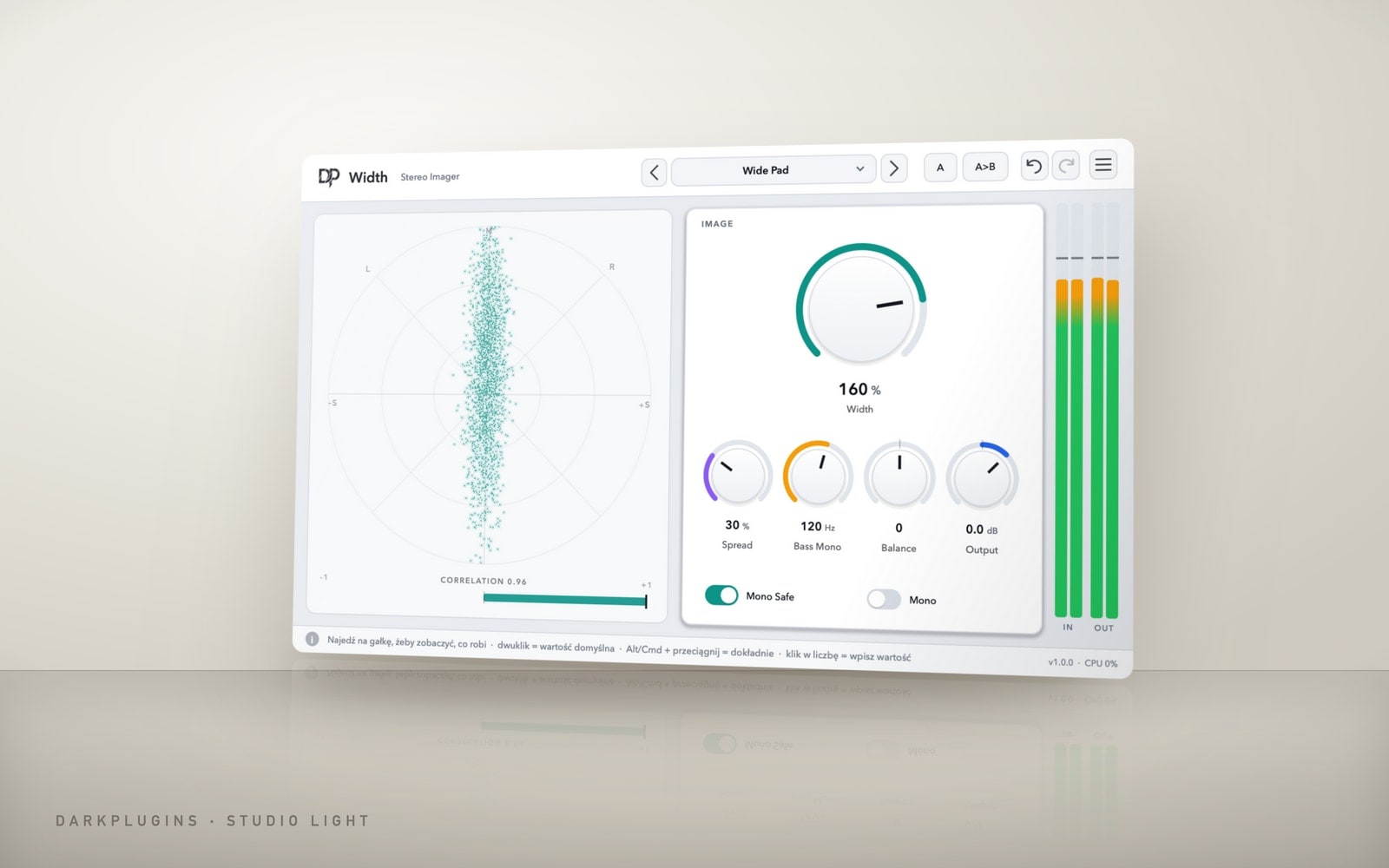
- Go wide but stay mono-safe — Width keeps the bass centred and has a Mono check button.
Space and buses
One shared reverb and one delay, returns filtered from 300 Hz to 8 kHz, nothing sent from the 808. Group tracks into buses — drums, 808, melody — so you can fix balance with one fader, and export stems with nothing on the master.
Checks
Listen in mono, on a phone speaker, against a reference at the same loudness and at very low volume. Whatever stands out at low volume is too loud.